Human Touch at Scale
Latent Variables Labs
We are a behavioral science lab spun out of the University of Michigan and Johns Hopkins, teaching agentic systems to elicit and encourage undocumented dynamics with humans, reliably. We partner with some of the most complex organizations in the world, collapsing the gap between executive strategy and frontline reality.

METHODOLOGICAL DIGITIZATION
We digitize elicitation frameworks from behavioral science. By removing the social costs of speaking candidly, our system enables people to share the workarounds, frustrations, and hidden dynamics they would never tell a manager, making invisible organizational knowledge visible.
01
It cannot judge, retaliate, or gossip.
Built for organizations absorbing change
Field studies on how change actually takes hold.

APPLICATION · NO. 9
PE Value Creation
CIMs Are Advocacy Documents
A deal partner takes a company to the investment committee with a thesis, an entry multiple, a 100-day plan, and a return already promised to the fund's limited partners. The committee approves. The wire goes out. The entire case rests on a confidential information memorandum and a management presentation, both written by the seller's bankers for the express purpose of getting that wire sent. Everyone in the room knows the CIM is an advocacy document. The thing that should bother anyone who underwrites for a living is how little of the underwriting ever reaches past it.
READ MORE →

APPLICATION · NO. 8
Major System Implementation
Status Was Green the Whole Time
Begin with the base rate, because every other claim in this field has to argue against it. The Standish Group has tracked software project outcomes since 1994, and the first CHAOS report set the floor: 16.2 percent of projects landed on time, on budget, and at full scope; 52.7 percent were challenged; 31.1 percent were cancelled outright. The 2015 refresh moved the numbers a little and the shape not at all, roughly 29 percent successful against 52 percent challenged. I lead with Standish not because it is beyond criticism, the firm guards its methodology and the academy has pushed back on the sampling, but because no competing dataset of comparable size tells a kinder story, and the failure causes it names have been replicated everywhere since.
READ MORE →
APPLICATION · NO. 4
Transformation Rescue
Status Is Green Because Green Is Safe
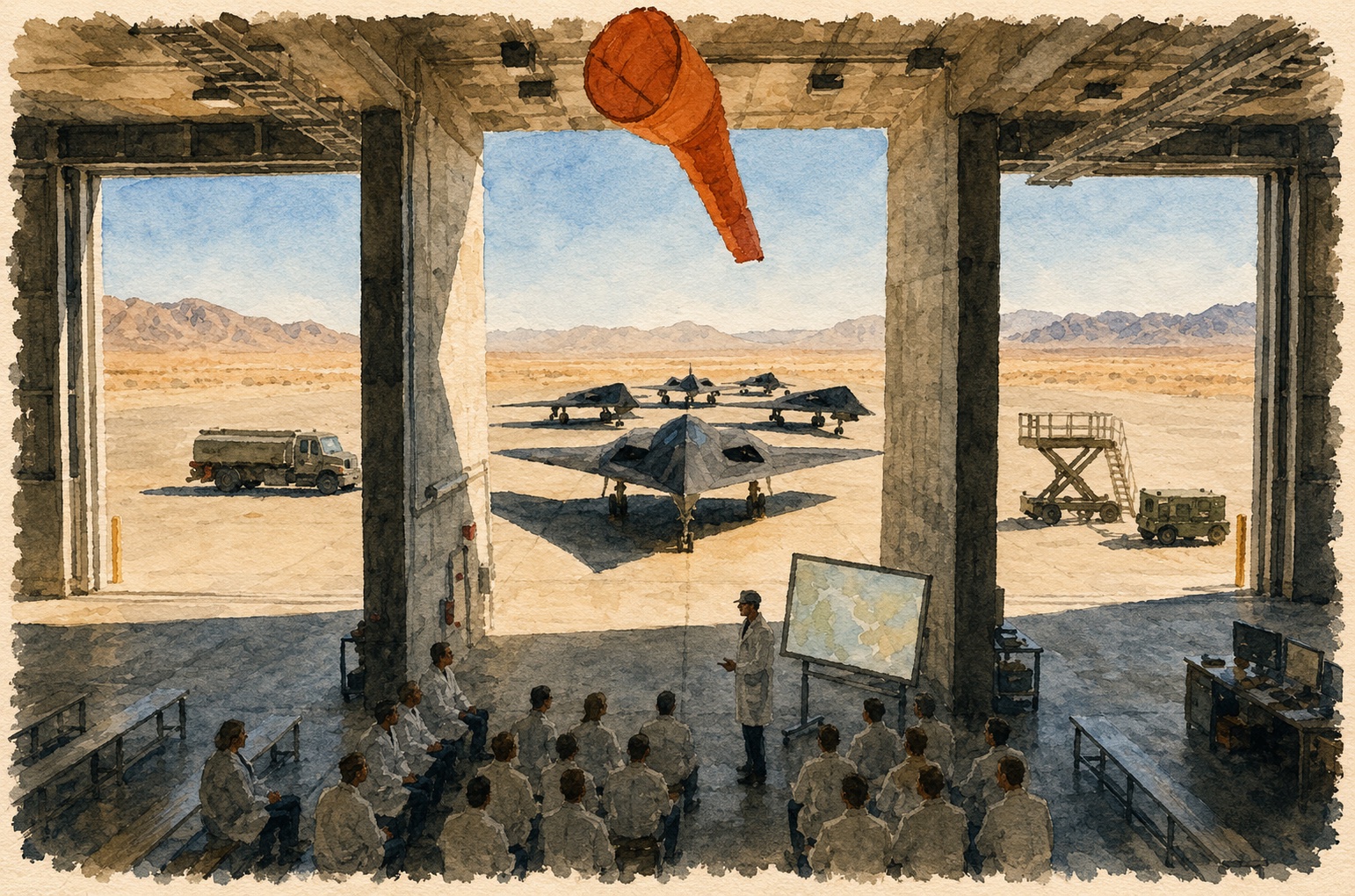
Picture the steering review for a six-hundred-million-dollar transformation, eighteen months in. The wall is a field of green dots, one per initiative, and a sponsor walks the room through them at one every forty seconds. Everyone nods. What nobody says out loud is that three of those green dots are known to be red by the people closest to them, some of whom are in the room. The owner of the biggest workstream believes his number is thirty percent high and has since the target was handed down. The controller netted two workstreams claiming the same saving last week and settled the credit by which sponsor was louder, without recording that she had a choice. At two sites marked complete, the old spreadsheet still runs the busy hours. None of it is on the wall. The wall is green, the program asks for its next funding wave, and the wall wins.
READ MORE →

APPLICATION · NO. 5
M&A Integration
Synergies Were Priced Before Anyone Asked the People Who Owe Them
A deal model is a promise made on behalf of strangers. The banker builds it from a data room, the board approves a premium against it, and a synergy line gets allocated to a department head who will not learn the deal exists until the morning it is announced. By then the number is load-bearing: it has justified a price, sized a retention pool, and set a date. The person who has to deliver it hears a figure attached to their area for the first time and nods, then goes back to their desk and quietly works out what is real. Nobody asks them, and the structure is built so that nobody can. That gap between the model and the floor is where most deals go to die, and the people who write about M&A for a living have said so plainly since the early 1990s.
READ MORE →

APPLICATION · NO. 2
AI Adoption Readiness
Pilots Fail and the Floor Knew Why
Start with the number that should have ended the conversation about whether AI is working in the enterprise. MIT's Project NANDA put roughly 95 percent of corporate generative-AI pilots at no measurable return on profit and loss, against thirty to forty billion dollars of spend. Read it slowly, because the framing it invites is wrong. The instinct in the room is that the models are not ready, that the tools fell short, that next year's release will close the gap. That is the comfortable reading, and the evidence does not support it. The same report found that purchased tools cross into real workflows about twice as often as internal builds, which is not a story about model capability at all. It is a story about whether the work was understood before the money moved. NANDA's own phrase for the divide is learning: the systems that paid off were the ones that fit how people actually worked, and the ones that did not were priced off a picture of the work that nobody checked.
READ MORE →

APPLICATION · NO. 13
Program Adoption & Fidelity
Money Is Spent and the Program Is a Rumor
A district buys a curriculum, a health system rolls a care bundle, a funder ties a grant to model fidelity, a chain ships a new in-store routine to six hundred locations. The money is already spent. Then the dashboard says adoption is partial, or says it is fine while the outcome metric sits flat, and nobody at headquarters can explain the gap, with a renewal weeks out. My argument is narrow: the gap is not mysterious. The implementation-science literature has measured it for twenty years, and the headline finding is that the picture of delivery a leader prices a renewal against is reliably wrong in a knowable direction. The program on the slide and the program in the room are two different programs, and the distance between them is better quantified than most realize.
READ MORE →

APPLICATION · NO. 12
New-Leader Entry
Maps Everyone Hands the New Boss Are Already Wrong
Picture the third morning of a leader hired into a seat from outside. There is a binder: an org chart with clean reporting lines, a strategy deck, a value creation plan or entry plan, a stack of one-on-ones booked by someone helpful in HR. Every direct report has been gracious; the boss has been warm. By the end of the first week this leader will start making the moves that define them, who to back, which decision to unblock, which program to praise in the all-hands, and every one rests on a picture of the organization that nobody has checked against the people who actually live in it. The binder is not a lie. It is a story the organization tells about itself, and the new leader is the one person in the room least equipped to know where the story diverges from the work.
READ MORE →

APPLICATION · NO. 15
Safety Culture & Incident
Numbers Were the Best in the Company
I have stood in a control room the morning after a flash fire and watched a board operator say, almost bored, that everyone on days knew that unit would bite someone eventually. An interlock had gone into bypass during a startup so the unit could come up on schedule, and never came back in, and nobody logged it. When I asked why, he gave the answer that explains most of this field in one sentence: because then you own it. Upstairs the fire read as bad luck. The recordable injury rate was among the best in the company, the audits were green, and the one fact that predicted the event sat in the heads of half a dozen operators who had every reason to keep it there.
READ MORE →
APPLICATION · NO. 10
Founder / Owner Transition
Truck Tests Nobody Runs
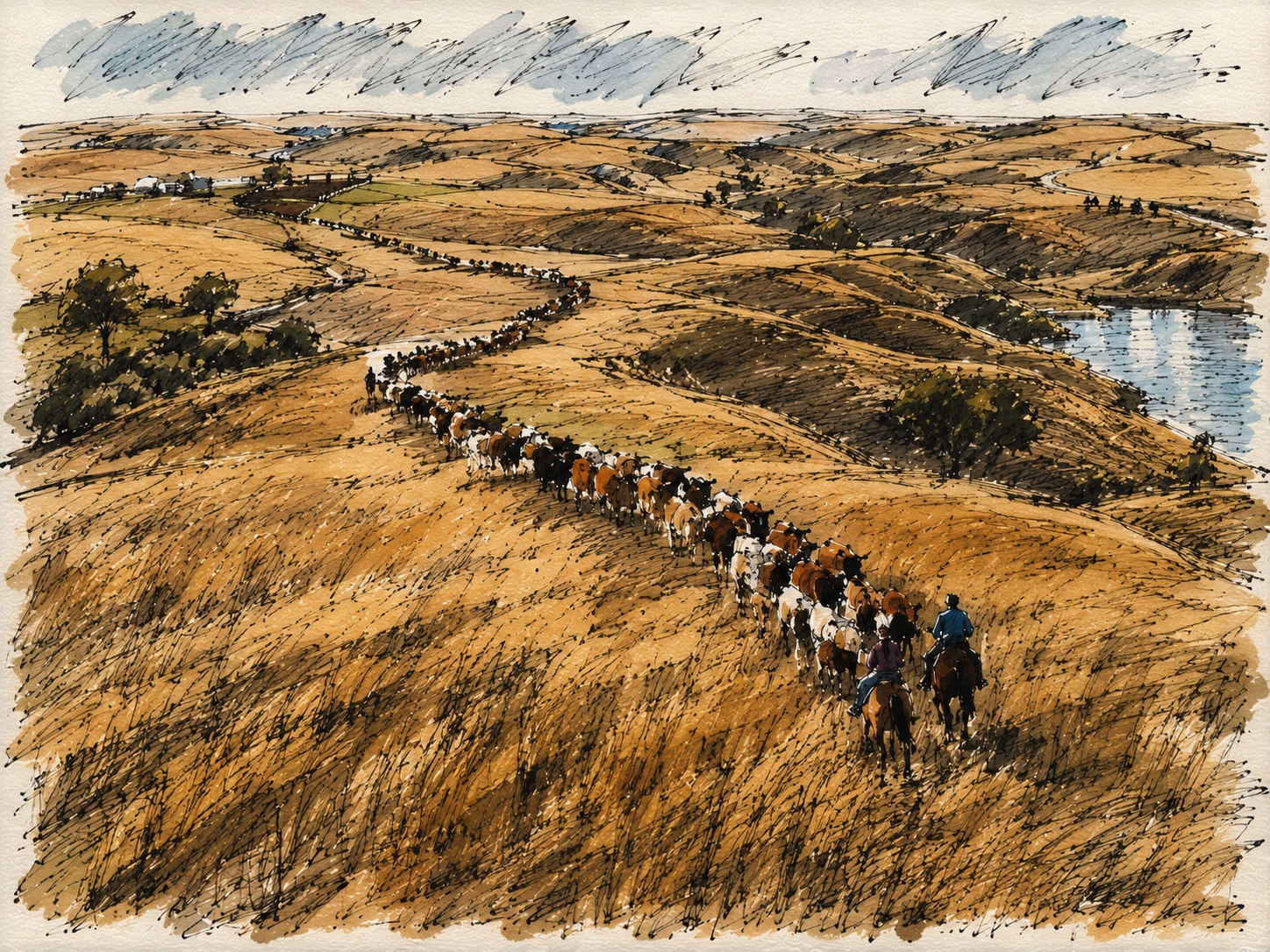
Ask an owner what would happen to the business if he were hit by a truck tomorrow, and watch his face. I have been in the room for this. A man who built a sixty-million-dollar distributor over thirty years goes quiet, then says the team would handle it, and his general manager, across the table, looks at the floor. The owner believes the company runs without him. The GM knows every renewal on the four biggest accounts still ends with a call the owner makes himself. Both are in the room. Only one is right, and the handover is being planned on the wrong one's answer.
READ MORE →

Speak with the Lab
Pick a time on the right to learn more about our research and explore whether it may be relevant to your organization.
30 min
Web conferencing details provided upon confirmation.